Quiet Luxury in Digital Design: A Minimalist Approach
Sujal Makkar
The Death of Digital Clutter
The modern internet is incredibly loud. Users are constantly bombarded by pop-ups, auto-playing videos, aggressive cookie banners, and hyper-saturated color palettes fighting desperately for their fleeting attention. In response, a new, highly refined aesthetic is dominating premium digital design: digital quiet luxury.
Much like the corresponding fashion movement that prioritizes exceptional tailoring and premium fabrics over flashy logos and loud graphics, this design philosophy prioritizes flawless execution, microscopic attention to detail, and a deliberate, generous use of white space. It is design that whispers, projecting confidence and brand authority through absolute restraint.
The Cognitive Load of Luxury
At its core, quiet luxury in UI/UX is about reducing cognitive load. When a user lands on a site, they shouldn't have to decipher the navigation or visually filter through unnecessary graphic elements.
Premium brands understand that giving the user visual breathing room equates to a premium service. By stripping away non-essential UI borders, heavy drop shadows, and complex background patterns, the focus is entirely directed toward the product imagery and the core messaging.
The Pillars of Minimalist UI Architecture
Creating a truly premium, minimalist interface is paradoxically much more difficult than creating a complex one. When you strip away heavy graphics, there is nowhere to hide. Every remaining element must be structurally perfect.
The pillars of this aesthetic include:
1. Impeccable Typography as Interface
In quiet luxury, the type is the interface. Choosing a refined sans-serif (like Inter or Suisse Int'l) or a highly structured serif font and establishing a rigorous typographic scale is non-negotiable. Tracking, leading, and font weights are manipulated with mathematical precision. Large, bold editorial typography often replaces traditional hero images entirely.
2. Restrained, Earth-Toned Color Palettes
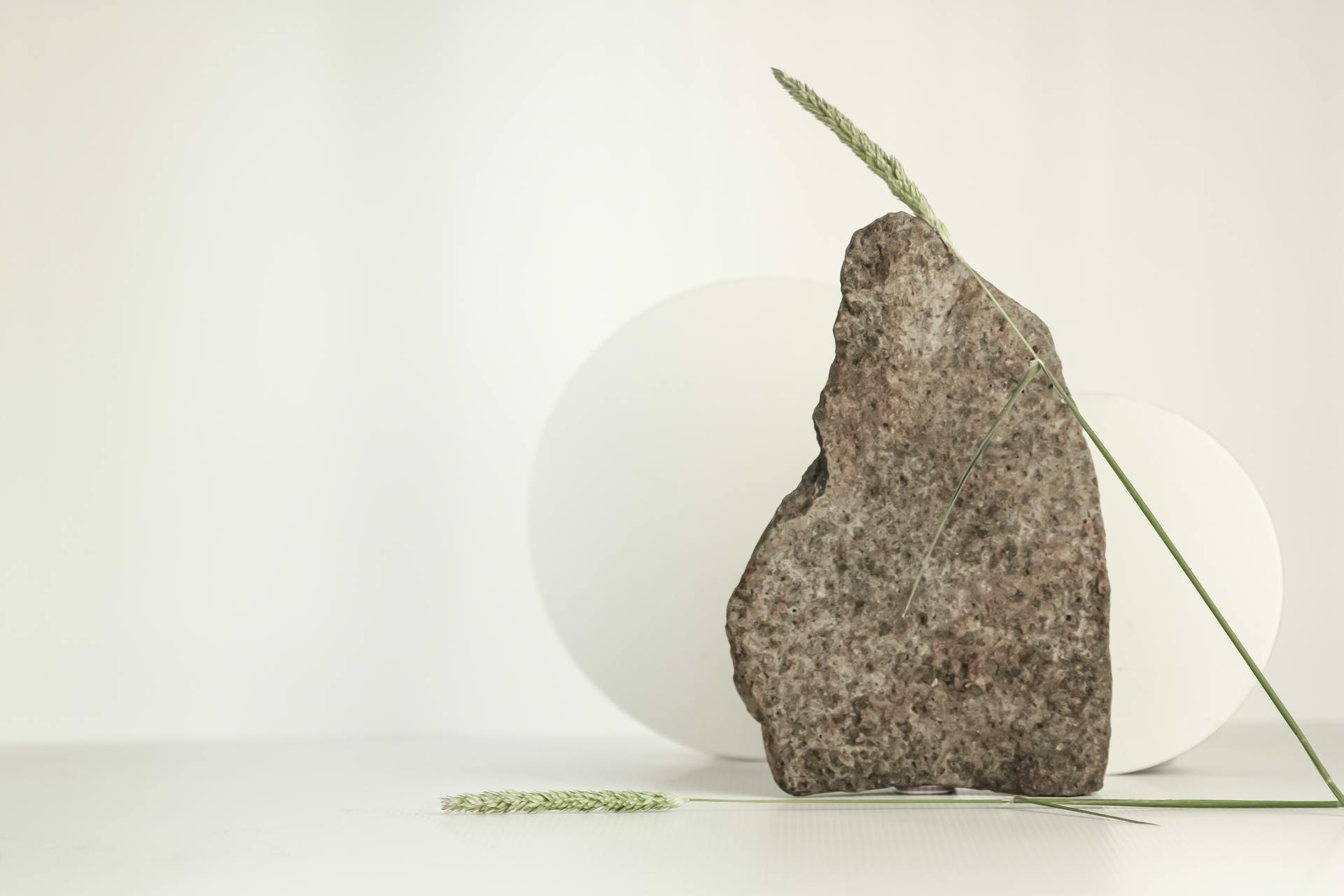
Moving away from bright primary brand colors toward sophisticated, brutalist tones—stone, slate, off-white (like #faf8f5), deep charcoal, muted moss, and taupe. These colors are inherently versatile and create a calming digital environment that feels expensive.
3. High-Fidelity, Cinematic Assets
Imagery must be strictly editorial and high-resolution. Often, this involves cinematic lighting, subtle film grain to add texture to the digital canvas, or incredibly sharp 3D renders. The imagery does the heavy lifting for the brand's narrative.
4. Purposeful Micro-Interactions
Animations are subtle, smooth, and purposeful. A button hover shouldn't trigger a bouncing, scaling effect; instead, it might feature a smooth 300ms ease-out transition of the background color or a subtle line reveal. Transitions between pages feel like turning the pages of an expensive magazine rather than navigating a software application.
Brutalism Meets Elegance
Interestingly, the digital quiet luxury movement often intersects with modern architectural brutalism. We see exposed grid lines (often single-pixel borders delineating content blocks), raw structural elements, and a focus on the underlying architecture of the page.
However, unlike classic web brutalism which can feel intentionally aggressive or unfinished, this modern iteration softens the edges. It combines the technical precision of brutalist grid layouts with the smooth, high-tech feel of premium user experiences. The result is a digital flagship store that respects the user's time, intellect, and aesthetic sensibilities, ultimately building deep trust and driving higher conversion rates.

